You may have noticed in these recent Middle and High School All-State videos that I’m no longer playing my trusty Yamaha 671 or a Yamaha 668II. Last spring I had the opportunity to order a Yamaha 871 directly from their factory. This is their “custom” Geyer model, and while it does share a lot of similarities with the 671, it is a different horn in some respects and well worth trying. Initially I spent about 2 or 3 months switching back and forth between the 871 and 671, but at this point I’m doing the majority of my playing on the 871. If you’re interested, here are some of my perceptions of the similarities and differences between the two horns.
Both of the horns I have are unlacquered, and the feel and weight are similar. The 871 might be a little bit lighter in the hands, but not by much as far as I can tell. The bore of the 871 is bigger at 12.1mm (0.476″) compared to 12.0mm (0.472″) on the 671. Honestly, I’m not sure how much difference this makes in how the horns play as there are probably other variables to take into account. Both have even sounds across the range. To me, the 871 is a little bit more resonant and vibrates easier than the 671. Perhaps the “custom” line horns are built to closer tolerances, but that’s only speculation. The sound is pretty similar, though the 871 has a few more low overtones in the sound (less “bright” and more “dark” than the 671, to use subjective terms). Again, there are probably other variables at work here, but as this is an opinion piece feel free to take them with a grain of salt! Comparing them back to back, which I’ve done on several occasions, the 871 takes a little more air (because of the larger bore, I assume), but vibrates more easily and rewards a competent player. When people ask me which horn I recommend, I usually encourage them to try both and see which one they like best. If you’re a high school or undergraduate student, the 671 is a great choice, but if you have the extra funds and want to check out the custom 871 it may very well be worth it! Feel free to listen to these two recordings; the first on the 671 and the second on the 871 and see if your opinions match mine.
I’ve also made a few other equipment changes this year: I switched mouthpiece rims from a Houser “E” rim 17.5mm in H-Kote to a Houghton H3 in H-Kote, with a 17.75mm inner diameter. A difference of .25mm might not seem like much, but having a little extra room in the mouthpiece, combined with a slightly different rim contour, has made some positive differences in my playing. With the old rim I felt like my endurance was hitting a wall, despite consistent practicing and being in overall good playing shape. I noticed an improvement almost right away, which is usually a good sign for me when it comes to equipment changes. I’ve been on the H3 rim since September, and I don’t see myself going back to a smaller rim anytime soon.
And finally, a more recent change involves the mouthpiece itself. My go-to mouthpiece for the past several years has been the Houser San Francisco cup. I’ve played both the silver plated and stainless steel varieties of this model, and they are excellent, professional quality mouthpieces that I continue to recommend. After my recital tour back in October I decided to experiment with some different mouthpiece cups, not for any particular reasons, but simply because I find that the down time after big recitals and/or other performances is a good time to try different equipment. Alpine Mouthpieces was a newer brand that I had an interest in trying. These mouthpiece designs are the result of a collaboration between Jacob Medlin and Keith Durand. They have several different cup sizes and designs, and they are all extremely well made. My favorite so far is the “Rigi” cup. In some ways it’s similar to the Houser, but for me it’s even easier to play with a great sound on the Yamaha 871. If you have the opportunity to try an Alpine Mouthpiece, give it a shot, they are great!
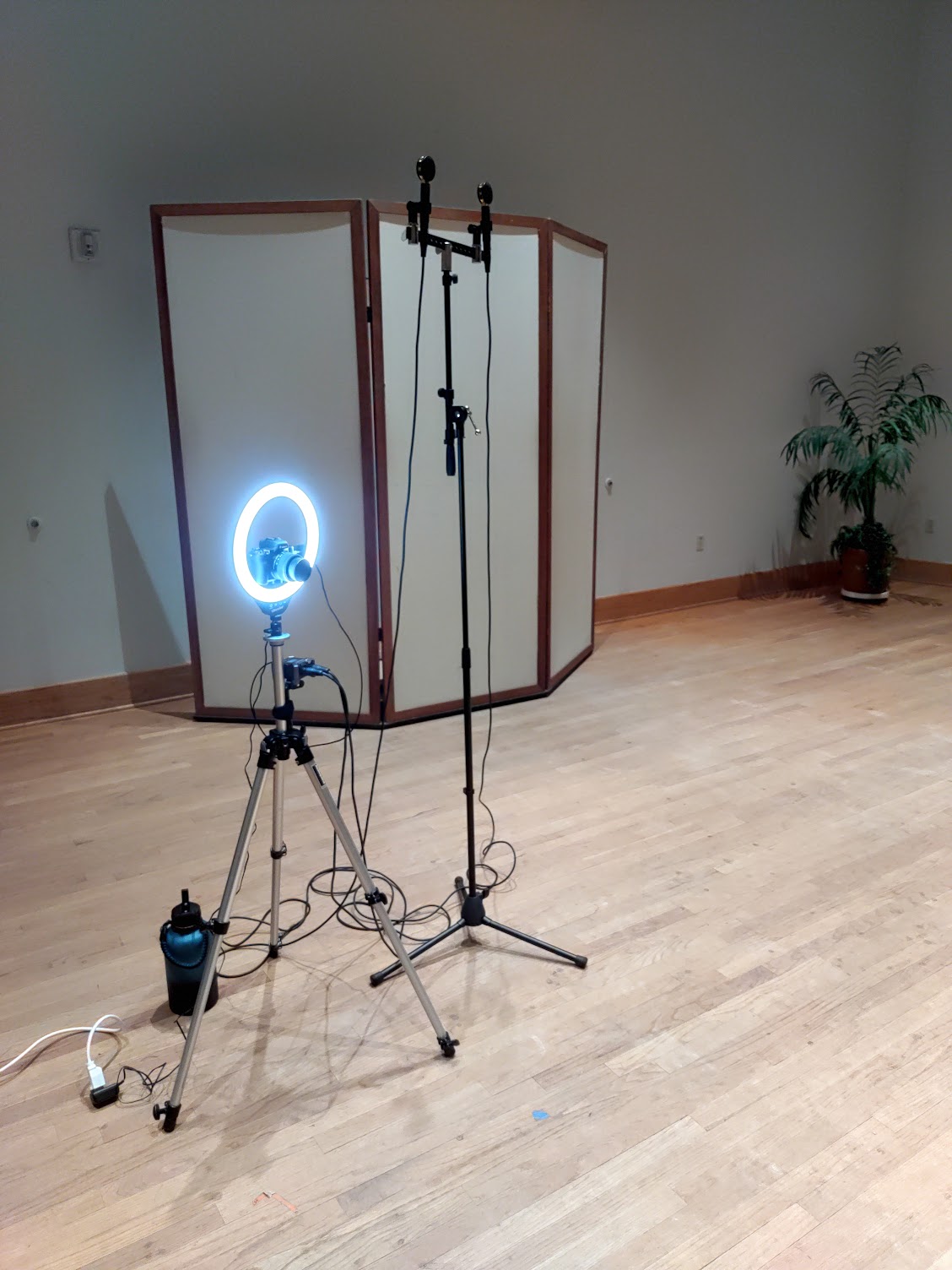
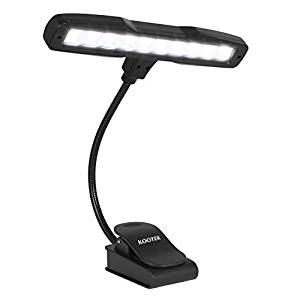
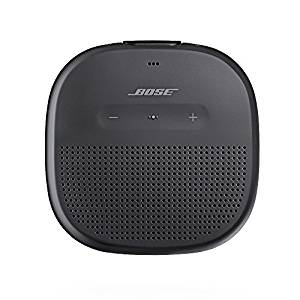
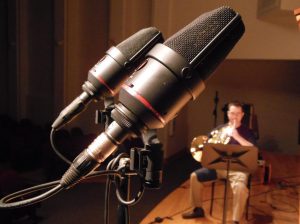 Departing a bit from my previous “Equipment Update” posts, this one is not about horns, mouthpieces, or mutes. Instead it is a basic introduction to recording equipment for the classical musician, with some inexpensive, but functional, recommendations. I’ve owned recording equipment of one kind or another since my undergraduate days, starting with a
 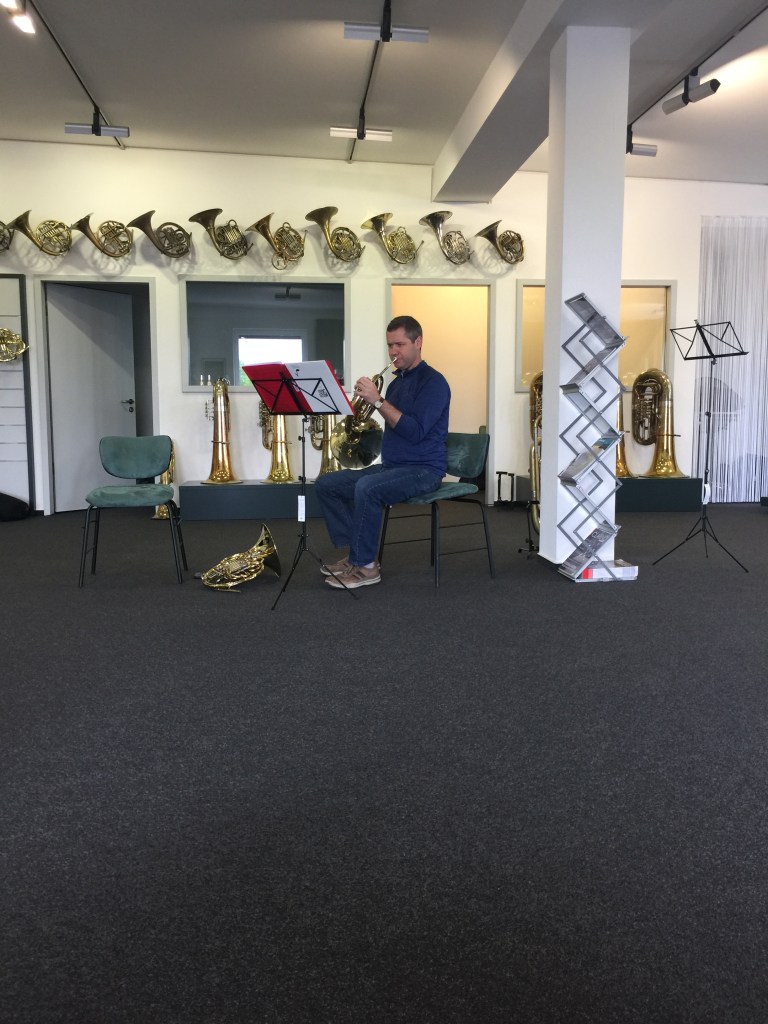 JB: What did you play for your trial on each horn?
 My longtime friend and colleague Andrew Downing recently visited the
  AD: I spent a few years of my collegiate studies playing on a 1960’s era Alexander model 103 I acquired from a European professional that had moved to the states. I immediately fell in love with the special character of Alexander horns – dark and velvety in softer dynamics and brassy and bright when played loudly. There is an unmatched color they make that seems to encourage many European horn sections to use them down the line to generate a uniform sound. I have always felt that the best Alexanders I’ve played seemed to vibrate in the core of the horn rather than at the embouchure much like the way a great bowed instrument resonates from within. I played many memorable concerts on my old horn and only gave it up in the early 2000’s to get on the Geyer-style horn bandwagon for American auditions and jobs I was taking. It also needed quite a bit of work and I ended up selling it to someone that wanted to invest in the restoration. I have missed it ever since.
 AD: The sales experience began in the early fall of 2016 with an email to Reimund Pankratz, one of the sales managers for Alexander. He was extremely welcoming to my request and was pleased that I was planning so far out. Reimund took time to discuss my options and talk through the buying process. Once we settled on my instrument preferences we agreed on a set time and date to visit during my trip early on to select a horn. I would then wait about a week and a half for finishing. No deposit was required for the trial and the payment takes place at the time of final selection. All horn trials in their shop are done with their horns in “raw condition” – their term for unfinished brass with much touch up work to do to the finish at solder points. Once my choice was made and I had completed my purchase they would move it to their shop for touch up and customization per my requests. Based upon my experience it seems that the best chance for someone to secure an appointment for a horn trial would be to contact Alexander nine to twelve months prior and attempt to secure a date. They focus on a very private trial experience and their time and space are limited for demos.
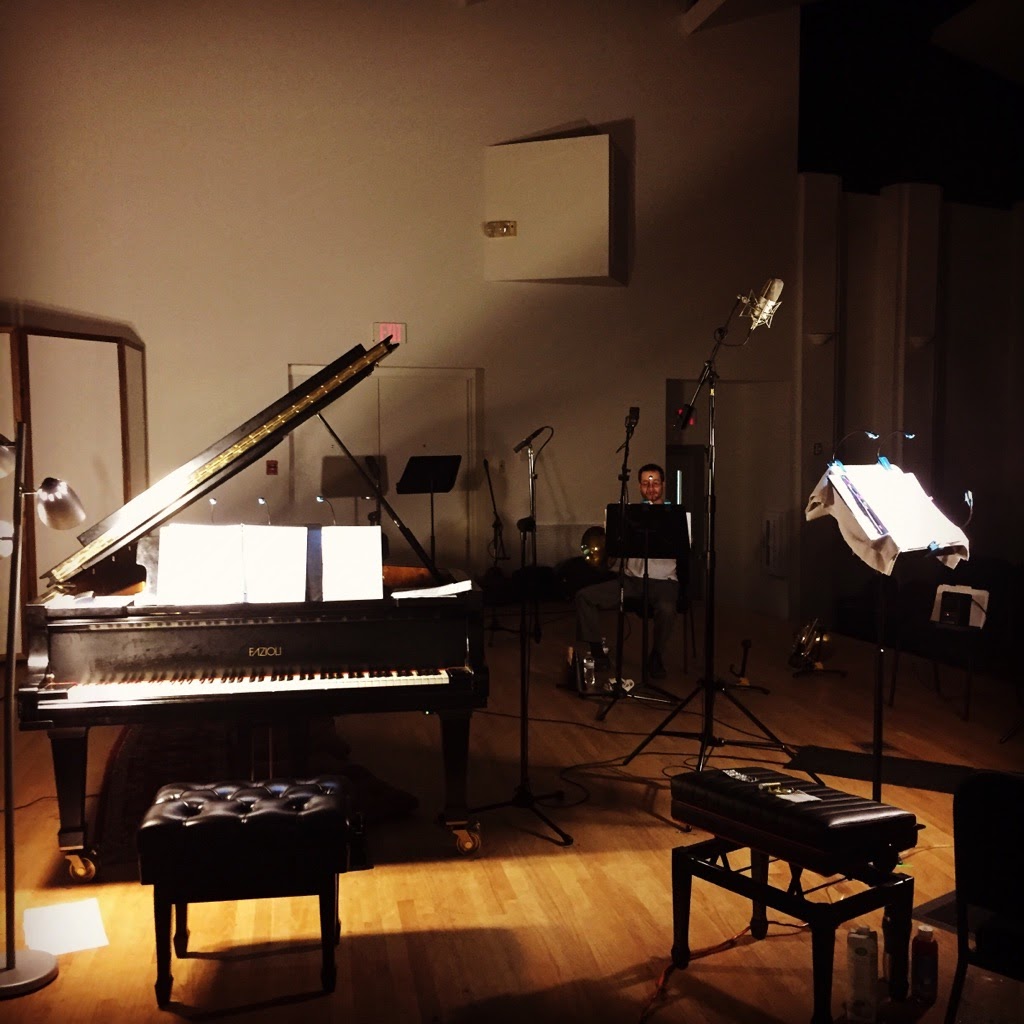 As mentioned in an
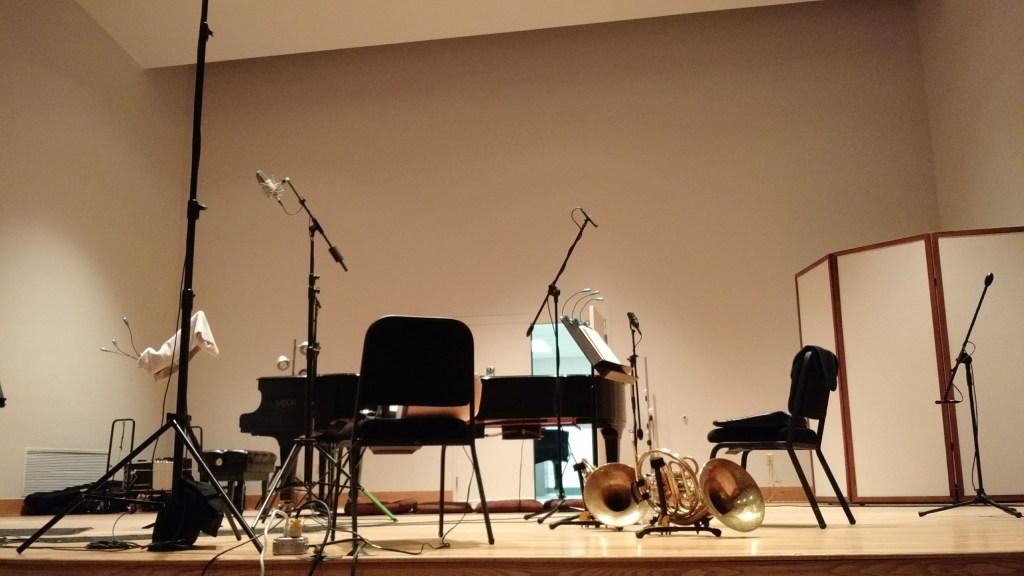
 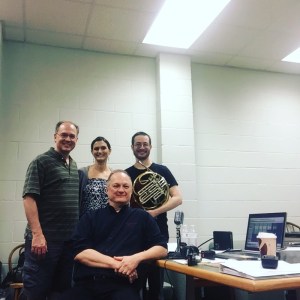 you don’t recognize his name I would be willing to bet that you own or have heard his recordings. I had not worked with Mr. Price previously, but after two solid six-hour-plus days of recording, I would recommend him to anyone without reservation! His incredibly discerning ears and easy-going demeanor made him a joy to work with as a producer and engineer. While I don’t know the exact technical aspects of what he did with microphone placement and other variables, I do know that the sound he was able to capture was great – warm and nuanced, with exactly the right balance among all three parts. And this was just from the raw takes! The final edited and mastered recording should be really fun! See below for a few shots of the stage setup.
 James Boldin's Horn World